Valorant Patch 12.06 isn’t the kind of update that reshuffles the entire competitive ladder overnight, but anyone grinding ranked should pay close attention to its quiet but meaningful balance moves. This Valorant Patch 12.06 review breaks down the Waylay nerf that changes how aggressively she can play, a Viper smoke-consistency fix that affects every controller main, a sneaky melee buff that touches all 25 agents, and a long list of bug squashes and quality-of-life upgrades. Let’s dig into what actually matters for your next match.
Waylay Takes the Biggest Hit in Patch 12.06
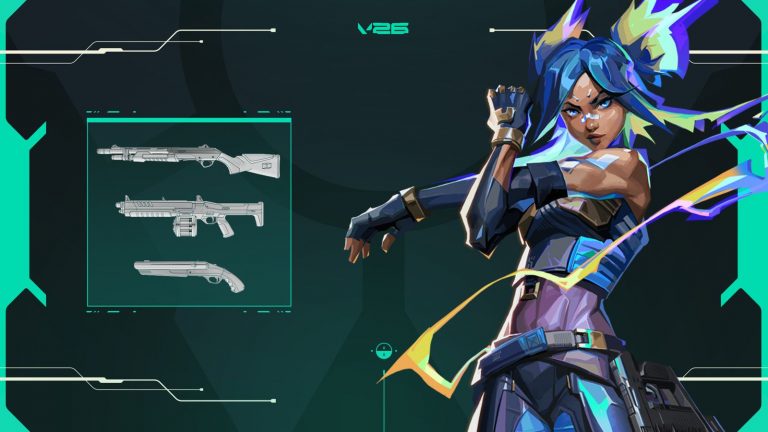
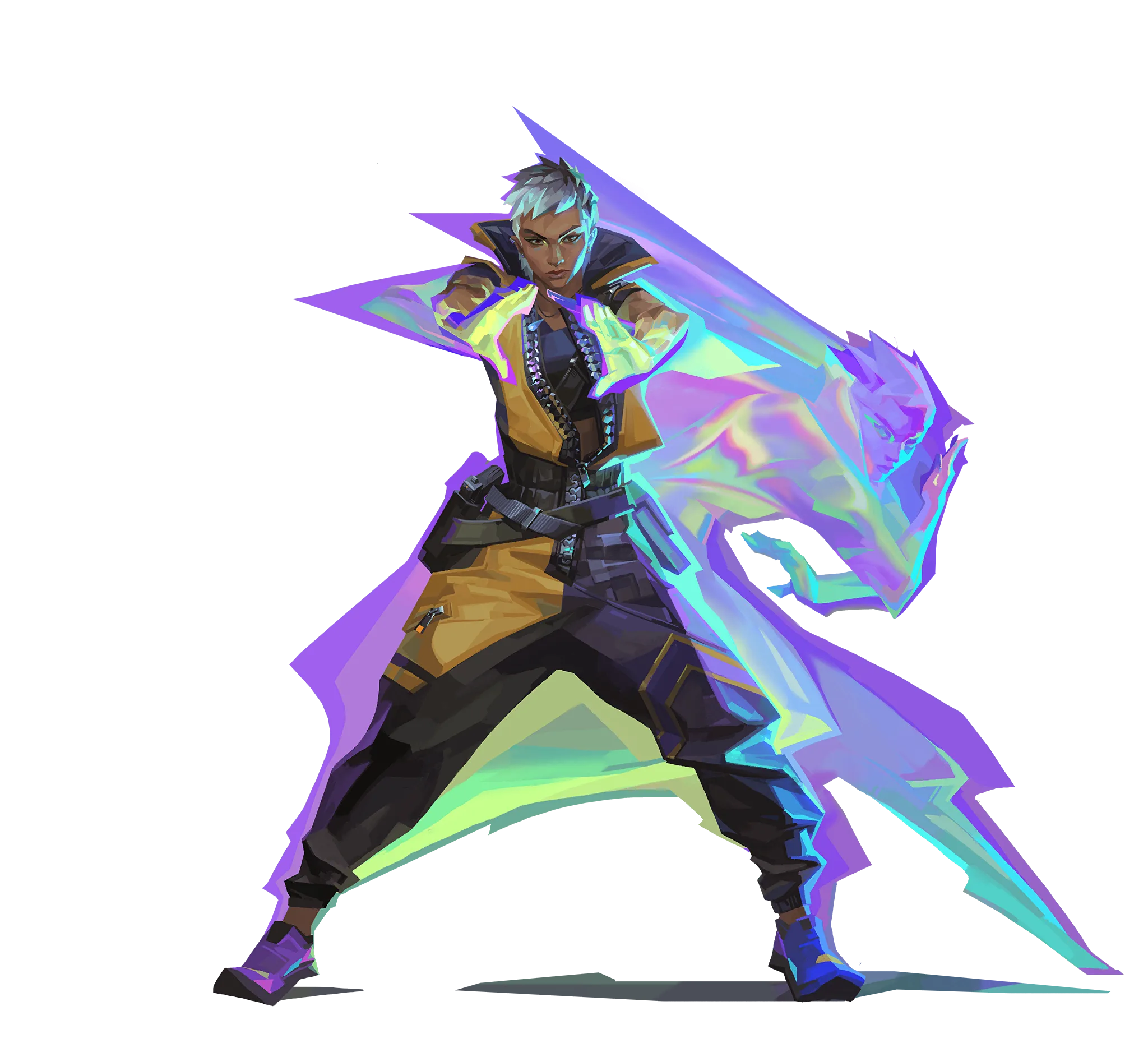
The headline balance change in this patch lands squarely on Waylay. Her Saturate ability has been shifted from an instant cast to an equip cast, and while that sounds like dry developer jargon, the practical effect is significant. Previously, Waylay could fire off Saturate the moment she needed it, treating it as a near-reflexive panic button or an instant tempo tool during a push. Now she has to physically equip the ability before deploying it, introducing a deliberate delay between intent and execution.
That delay is everything in a game decided by milliseconds. An equip animation means Waylay players can no longer slam Saturate the instant a duelist swings into them. They have to commit a fraction earlier, telegraph the play, and accept that they are momentarily vulnerable while the ability comes online. For a kit that thrived on slipperiness and reactive disruption, this is a real clip to her ceiling.
| Waylay – Saturate | Before 12.06 | After 12.06 |
|---|---|---|
| Cast type | Instant cast | Equip cast |
| Deploy speed | Immediate | Delayed (equip required) |
| Reactive usage | Strong | Heavily reduced |
Why This Nerf Matters for Ranked
In lower elos, players lean on instant abilities as crutches because they reward fast hands over good positioning. By forcing an equip, Riot is essentially asking Waylay mains to play with more intention. You’ll need to pre-equip Saturate when you anticipate a fight rather than relying on it as a get-out-of-jail-free card. Expect Waylay’s pick rate to dip slightly in the immediate aftermath while players adjust, and expect the agent to reward setup-oriented play far more than improvisation going forward.
Viper Smokes Get More Reliable
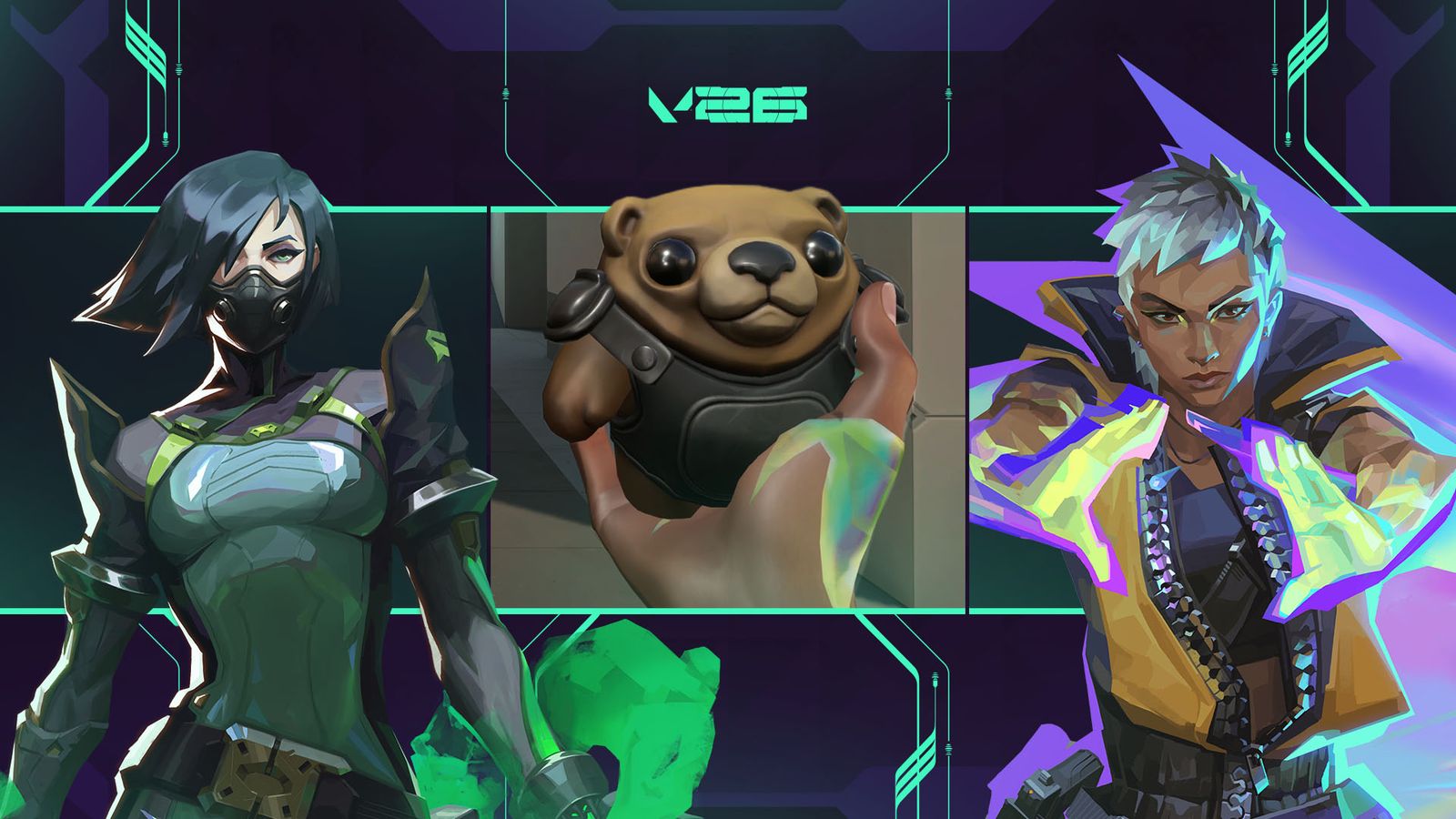
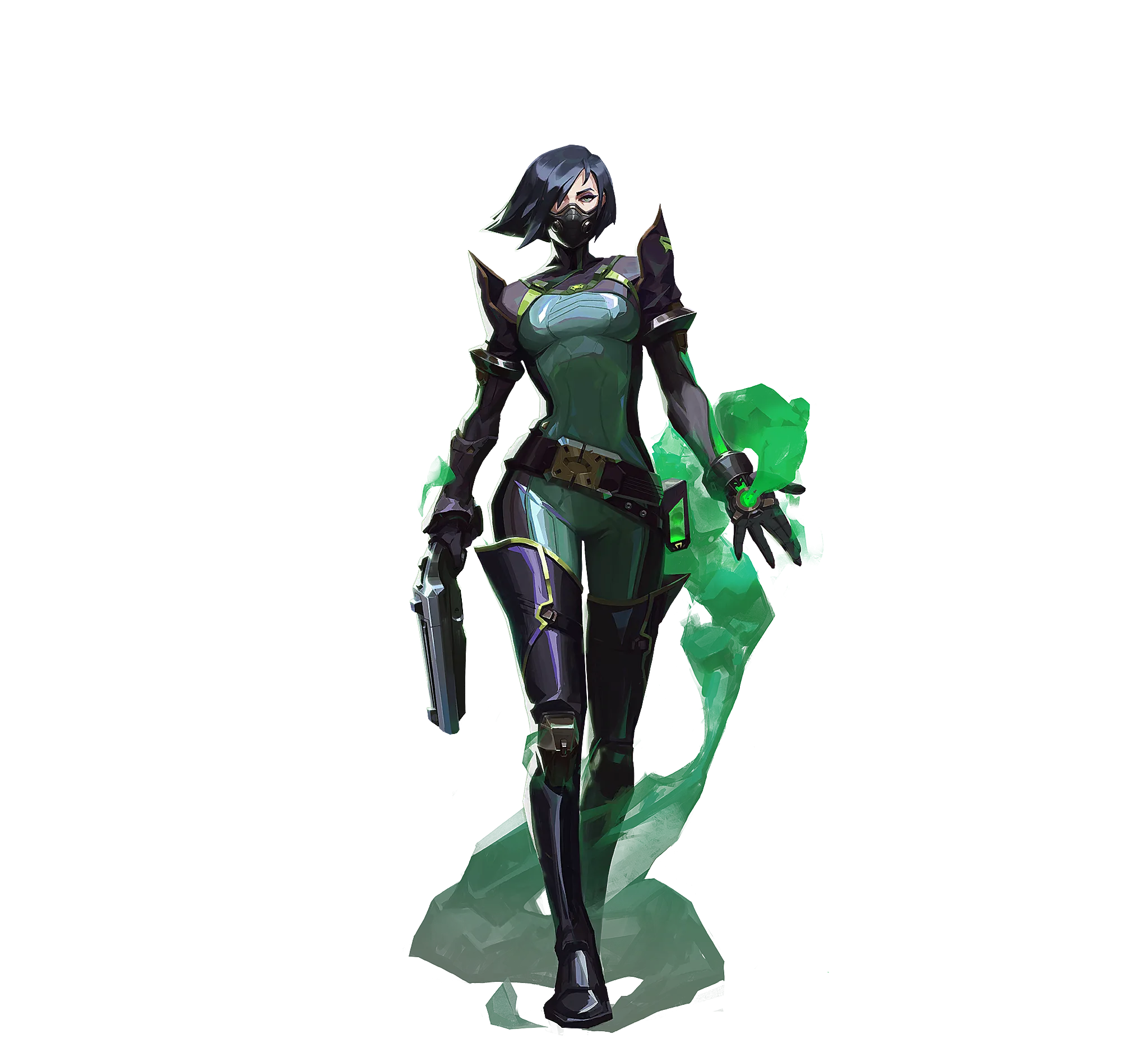
Controller mains have a reason to smile. Viper’s Toxic Screen and Poison Cloud pit chemical clouds have been reworked to spread more consistently around the map’s geometry. If you’ve ever placed a Viper wall only to watch the gas awkwardly bend around a pillar, clip through a box, or leave an unexpected sliver of vision for the enemy, you know exactly why this fix is welcome.
Consistency is the lifeblood of a controller’s value. When you commit fuel to a one-way or a defensive wall, you’re trusting that the cloud will behave the same way every round. This update tightens that trust, making Viper setups more predictable on maps with complex angles and verticality. It’s not a flashy buff, but reliability translates directly into win rate for an agent whose entire identity is map control.
The Quiet Power Spike
Make no mistake: a consistency fix functions like a stealth buff. Viper was already a staple on maps with long, lockdown-friendly sightlines, and removing the random gaps in her gas only sharpens her viability. Coordinated teams that rely on Viper executes and retakes will feel the difference most, since fewer surprise vision leaks means fewer rounds lost to a defender peeking through a cloud that should have been opaque.
The Melee Buff Nobody’s Talking About
Buried beneath the agent changes is a movement tweak that affects literally every player. The flex slot melee weapon (your knife) now moves at full melee speed instead of the 90% it was previously capped at. That ten percent gap may sound trivial, but knife-out movement is the fastest way to traverse the map, and competitive players already swap to melee constantly when rotating or repositioning.
| Movement Speed | Before 12.06 | After 12.06 |
|---|---|---|
| Flex (knife) movespeed | 90% of melee speed | 100% of melee speed |
| Affected agents | All | All |
| Impact area | Rotations, repositioning | Rotations, repositioning |
This restores knife movement to the speed players intuitively expect. Rotations between sites become marginally faster, which compounds over a full match into meaningful tempo gains. For an aggressive playstyle that depends on beating opponents to contested space, every fraction of a second of run speed counts. It’s a universal change that rewards good knife-out discipline across the entire roster.
Bug Fixes That Restore Agent Integrity
Patch 12.06 ships a hefty list of fixes that quietly repair several agents whose kits weren’t functioning as intended. These aren’t balance changes, but a broken ability is functionally a nerf, so getting them working again matters.
- Veto Crosscut – The minimap icon that vanished when players used the red Enemy Highlight color setting now displays correctly, restoring critical information for Veto users running custom HUD colors.
- Miks – A cluster of issues got squashed: Harmonize’s first-person VFX disappearing early, overlapping targeting UI, a Waveform UI element that refused to go away, and the dreaded M-pulse bug that left it stuck and unkillable. That last one was particularly impactful, since an undestroyable utility piece warps round economy.
- Clove – Their Ruse could improperly unequip after death; that interaction is fixed, smoothing out post-mortem play.
- Tejo – A Guided Salvo exploit that allowed an illegitimate third cast has been patched out, closing a clear competitive integrity loophole.
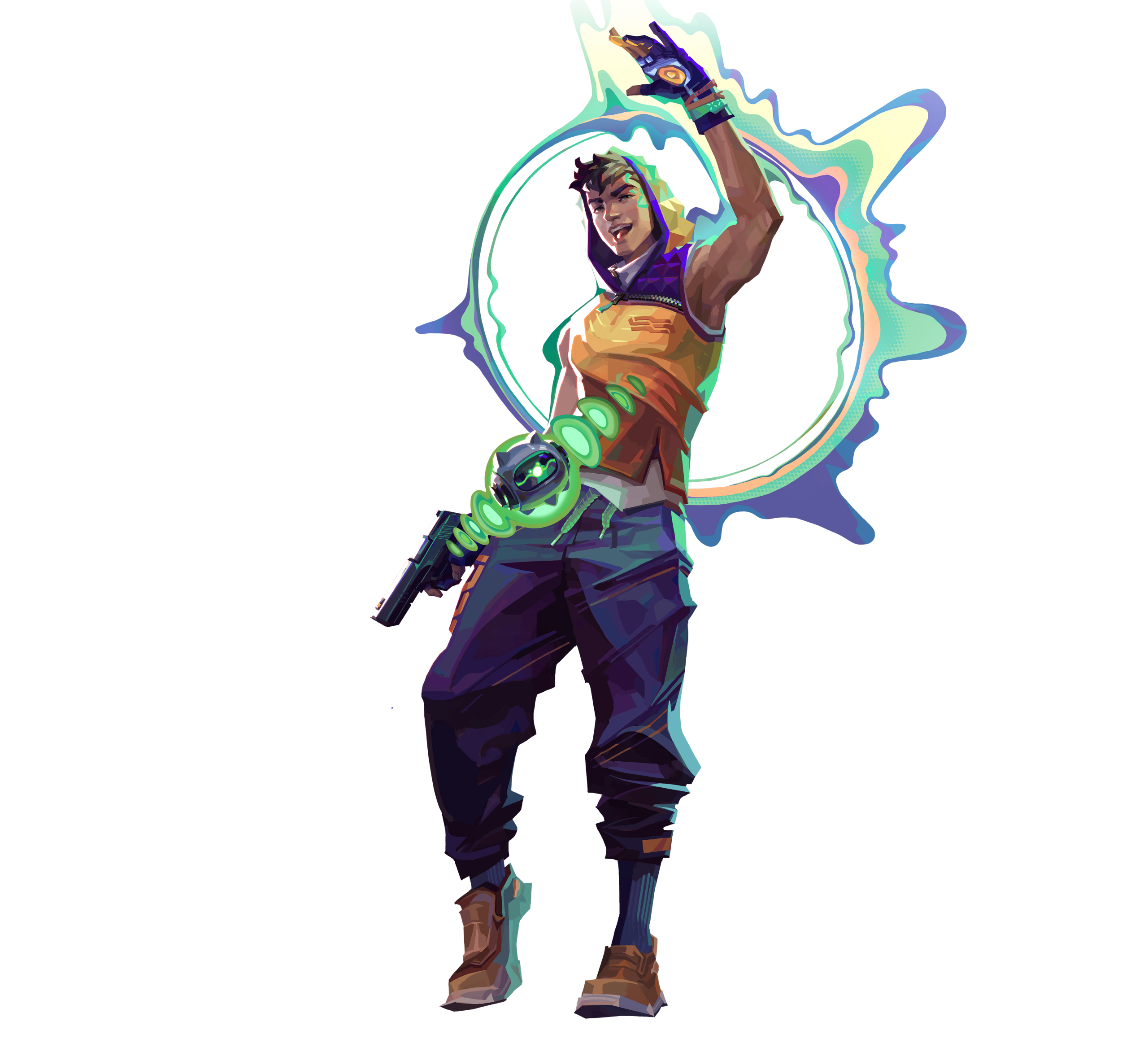
The Tejo and Miks fixes in particular were edging into exploit territory. An unkillable M-pulse or a bonus Guided Salvo gives a player resources they were never supposed to have, and in a ranked environment that can swing entire rounds. Cleaning these up keeps the playing field honest.
UI, UX, and Performance Upgrades
Beyond the agents, Patch 12.06 invests heavily in presentation and polish. The End-of-Game screen received refreshed visuals and updated sound effects, and there’s a broad pass on spacing and text sizing across the match summary, scoreboard, timeline, and performance tabs. These readability improvements make post-game analysis cleaner, which matters more than it sounds when you’re trying to learn from a loss.
- Store text alignment has been cleaned up.
- Premier got meaningful fixes: the View Team modal, the tournament timer, and captain controls all now function correctly.
- Battlepass navigation is restored, with pagination arrows and scrolling working again.
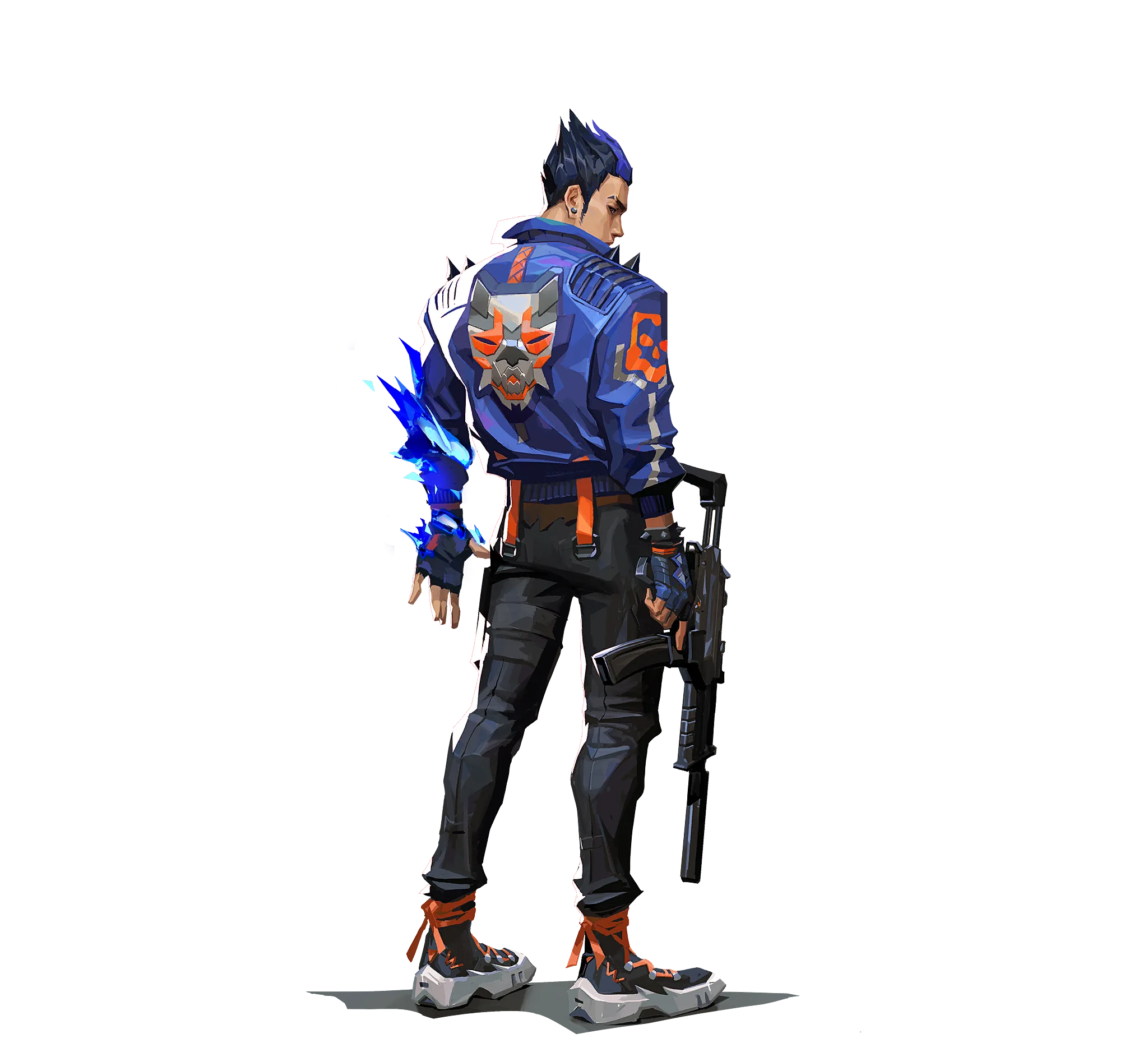
On the technical side, the headline is Push-model Replication being enabled for server optimization. This is an under-the-hood networking improvement that should help server performance and, over time, contribute to a tighter, more responsive online experience. Yoru mains also get a small treat: a fresh batch of voice lines adds flavor to the trickster’s kit.
What It Means for the Meta
So how does Valorant Patch 12.06 reshape the competitive landscape? The Waylay nerf is the clearest meta mover. By converting Saturate to an equip cast, Riot has reined in one of the most reactive, low-commitment tools in the game, and disciplined opponents will now find more windows to punish over-reliant Waylay players. Don’t expect her to fall out of the pool entirely, but her power floor for casual, hands-only play has dropped.
Viper, meanwhile, edges upward. A consistency fix is a buff in disguise, and her stock was already healthy on lockdown maps. Teams that build around methodical map control gain a more dependable anchor. The universal melee speed restoration subtly rewards tempo-oriented play across the board, favoring squads that win the race to space. And with multiple agent bugs resolved, Miks, Tejo, Clove, and Veto all return to their intended power levels, removing accidental advantages and broken interactions from the equation.
Conclusion
Valorant Patch 12.06 is a measured, maintenance-focused update that trims one outlier, restores reliability to a controller staple, and cleans up a backlog of bugs and interface friction. The Waylay nerf is the change ranked players will feel most immediately, but the Viper consistency fix and the global melee speed buff carry quiet long-term weight. Combined with the Premier and Battlepass repairs and a server-side optimization, this is the kind of patch that makes the overall experience smoother even if it doesn’t dominate the headlines. Adjust your Waylay habits, trust your Viper walls a little more, and enjoy a cleaner, more honest competitive environment.