Masters London is one of the key international checkpoints of the VALORANT season, and its structure matters almost as much as the teams themselves. The tournament is not only a question of who has the best aim on a given day. It is also a test of preparation, adaptation, and how quickly a roster can solve opponents it may not see often during regional play.
The official event guide frames London as a multi-stage competition that moves from early matchups into a more punishing playoff race. That format creates a useful balance: teams get enough room to show form, but the pressure rises quickly once the field begins to narrow.
For fans, the main thing to understand is how each stage changes the stakes. Early matches can reveal the meta, but playoff matches decide which teams are truly built for pressure. The best way to follow Masters London is to treat the event as a developing story rather than a single weekend of finals.
The early stage sets the tone
International tournaments often begin with questions that regional results cannot fully answer. A team can dominate at home and still struggle against a different tactical style. Another roster can arrive with modest expectations and suddenly look dangerous because its map pool lines up well against the field.
That is why the opening stage is so important. It gives fans the first real look at how teams handle unfamiliar matchups. Agent compositions, retake patterns, timeout usage, and pistol-round plans all become early clues. The scoreline matters, but the details often matter more.
A team that wins narrowly while showing flexible ideas may be in better long-term shape than a team that wins one-sided maps through aim alone. Masters events reward depth. Once opponents have enough footage, repeated tricks become easier to punish.
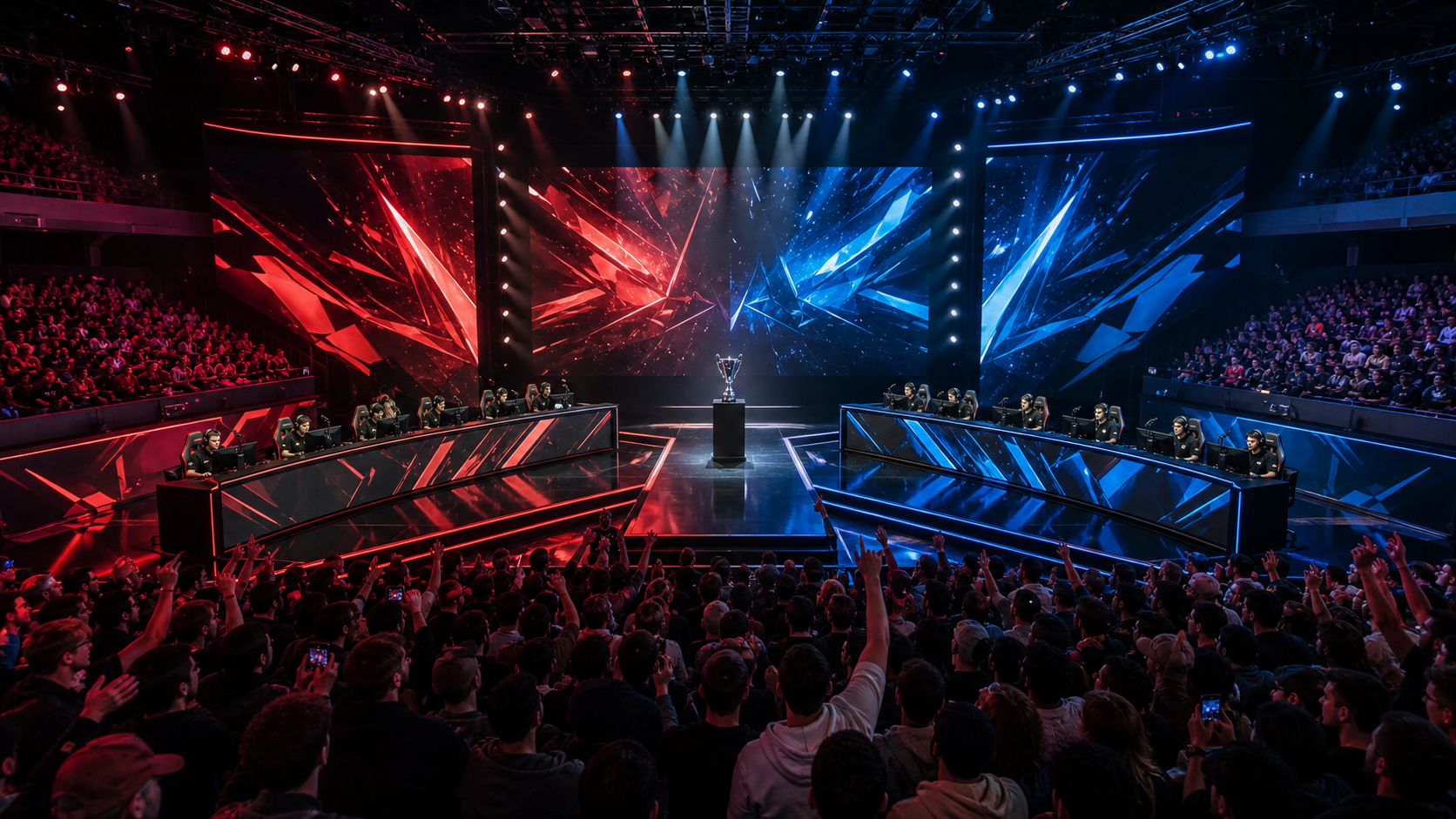
Why the playoff transition matters
The playoff stage changes the emotional weight of the event. Early losses can be managed if the format allows recovery, but playoff defeats usually leave much less room. At that point, teams need cleaner map vetoes, sharper mid-round calls, and better control over momentum swings.
Fans should watch how teams enter the first playoff series. A roster that used the early stage to test ideas might suddenly tighten its map pool. A team that looked explosive in the opener may slow down if opponents start denying its favorite space. The tournament becomes a contest of memory as much as mechanics.
Key areas to track
- Map vetoes and whether teams protect their strongest environments.
- Agent picks that change between the early stage and playoffs.
- Timeout timing, especially after lost bonus rounds or failed retakes.
- Composure in overtime and late-half economy decisions.
Those details help explain why the best team on day one is not always the champion on the final day. Masters London will likely reward the roster that improves during the tournament.
Final weekend becomes a different event
Once the bracket reaches its final weekend, the atmosphere changes again. Larger audiences, more media attention, and fewer remaining teams make every map feel heavier. Players who looked relaxed in studio matches can suddenly face a different kind of pressure.
This is where experience matters. Veteran players know how to slow a match down when a lead is disappearing. Younger players can still decide a final, but they need structure around them: clear protocols, strong communication, and teammates who can recover after a bad round.
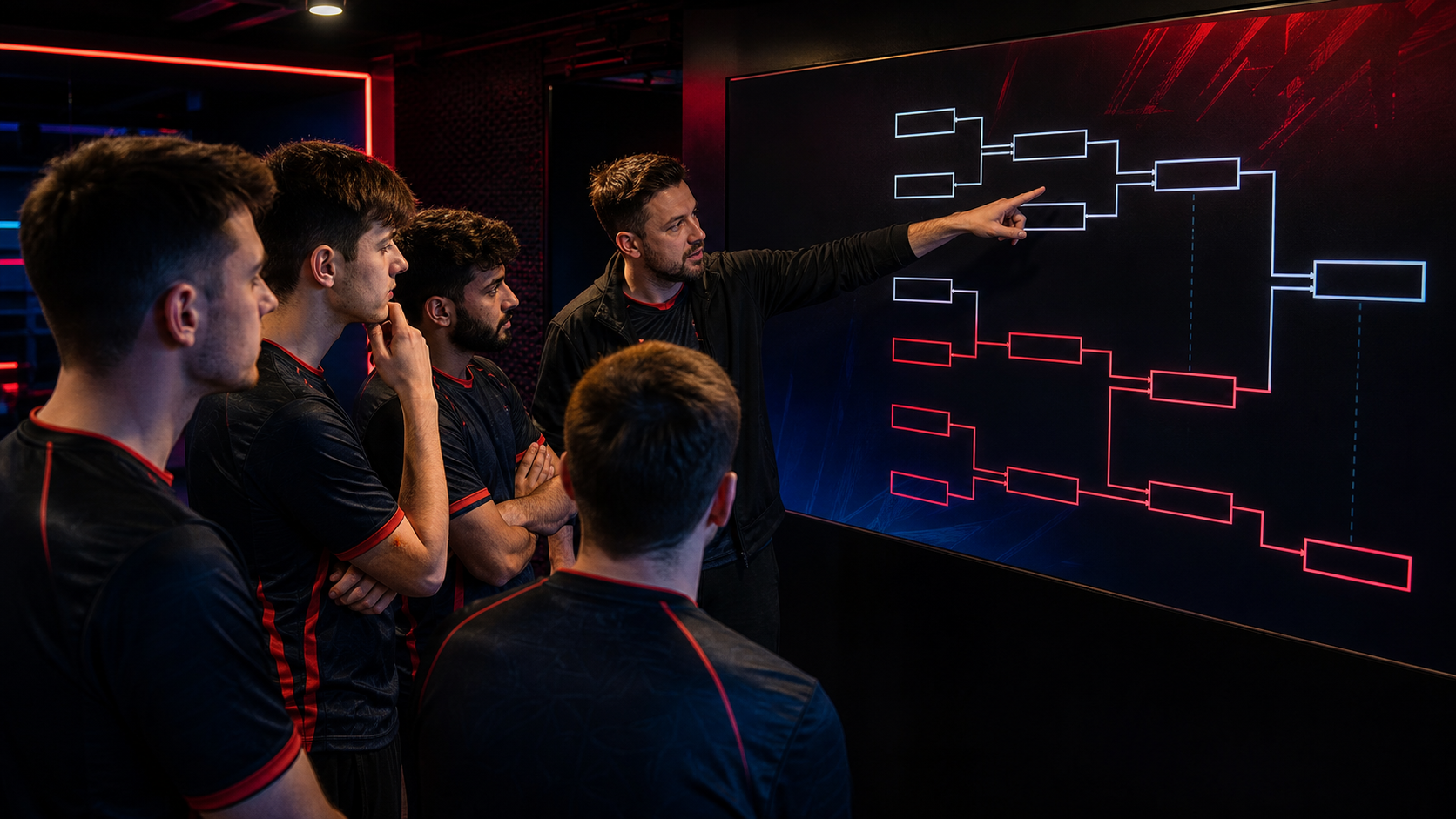
The London setting also gives the event a distinct identity. The fan activities around the city, including community-focused events, make the final weekend feel connected to the wider VALORANT audience. That is useful for the scene because it turns a bracket into a shared moment.
How to follow the tournament efficiently
Fans who cannot watch every map should focus on a few signals. First, track which teams are winning on their weaker maps. Second, watch for agent choices that other teams begin copying. Third, notice whether a roster can recover after losing an anti-eco or a late lead.
For a compact viewing plan, the early stage shows form, the playoff opener shows preparation, and the final weekend shows nerve. Together, those stages explain the champion better than a single grand final result.
Readers who are mainly interested in the live fan side of the event can also check our Fan Fest overview, while players following game updates may want to pair the event with the current My VALORANT Card changes.
Conclusion
Masters London is built around escalation. The opening matches introduce the field, the playoffs punish weak preparation, and the final weekend tests composure. That structure makes the tournament easier to follow if fans know what each stage is meant to reveal.
The champion will not simply be the team that starts fastest. It will be the team that learns, adjusts, and still executes once every remaining opponent has enough information to fight back.