Despite regular updates to the game Valorant, many problems still remain. For example, some players lose the interface to Valorant (hood), which is simply necessary for the game.
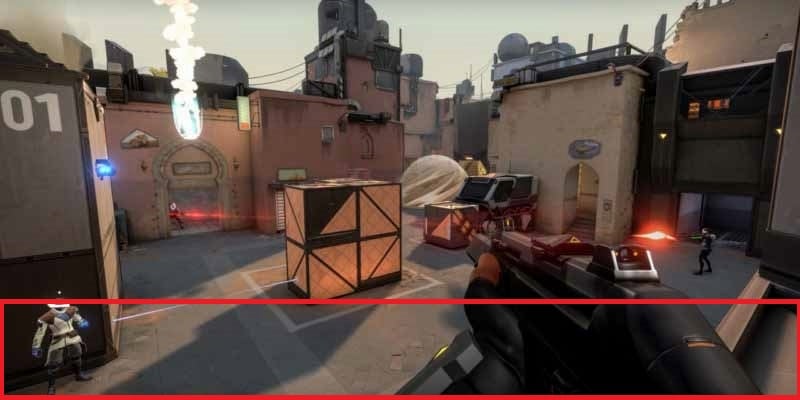
The developers have not yet commented much on this problem, but let's hope that in the future the disappearance of the interface will be resolved.
Various problems are common among Windows users versions 7 and 8. On Windows 10, Valorant works well without failures, or with minimal problems.
Therefore, the developers recommend using version 10 of the operating system with a x64 bit depth for a problem-free game.
Missing interface - what to do?
- The easiest option to enable interface is to restart the game. When the game is started, you can immediately disconnect, exit and re-enter Valorant, join the team. This method is inconvenient, since the first round of the game is likely to be lost without you. You can restart Valorant immediately after the first death. The method is also inconvenient, since such actions will have to be done all the time. At the same time, this is the only option to return the interface if all the recommendations below do not help eliminate the problem forever.
- Restart your computer.
- Restart Vanguard anti-cheat.
- Completely reinstall the game along with the anti-cheat.
You can remove Vanguard through the Control Panel in Programs and Components. Find the installed Riot Vanguard, click on it with the mouse and click Remove from above. On Win 10, removal is always successful without any problems or errors.
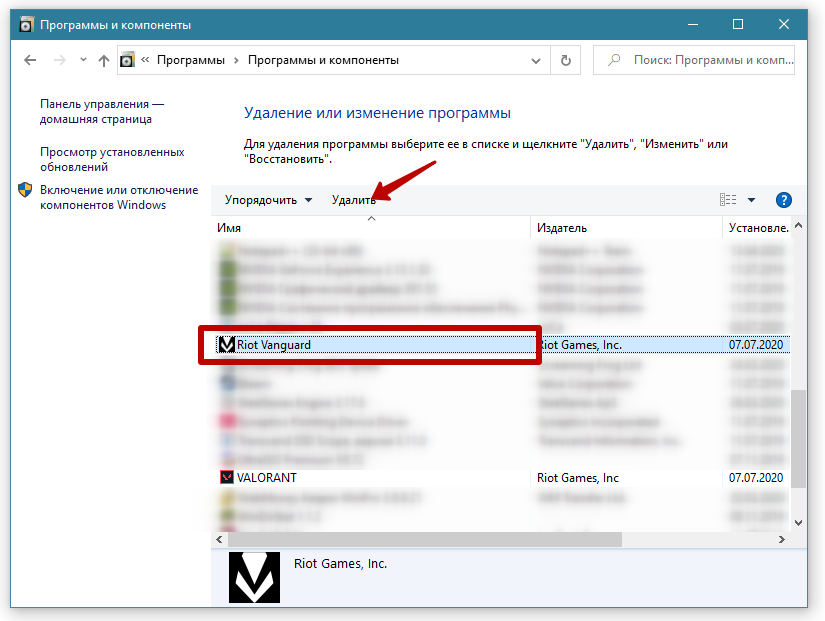
On older versions of the system, manual deletion of the anti-read via the command line may be required.
Run a line as administrator and enter two commands in turn:
- sc delete vgc;
- sc delete vgk.
Next, restart your PC, go to the system drive in the "C:\Program files" path, and delete the "Riot Vanguard" folder. After, start Valorant and the anti-cheat will automatically start installation from scratch.
What Riot support recommends
The developers recommend running Windows without any extraneous processes that may disrupt/block Valorant. To do this, you need to disable all services that are not related to the OS itself.
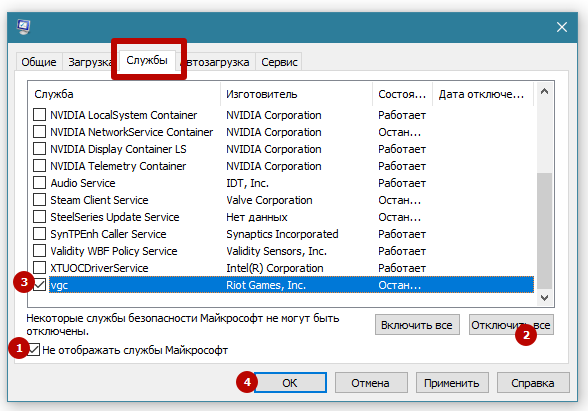
- Click the Windows+R key combination, then in the Run window, run the Msconfig command.
- Go to the Services tab
- Check the box next to Do not display Microsoft services. Afterwards, you will be shown the services that are involved with the installed programs.
- Disable all services and then only activate "vgc"
- Run Task Manager (Ctrtl+Shift+Esc combination).
- On the AutoBoot tab, similarly, disable all items, leaving only Vanguard.
- If the system requests that changes be confirmed at some step, we agree.
- Reload the computer, go into the game and check for the presence of an interface.
With a successful outcome, the conclusion is obvious - some service interferes with the normal operation of Valorant. The next step is to understand specifically which one. To do this, turn on each service one by one, restart the system, and when the interface starts to disappear, then the problem is found. The last service enabled is conflictual.
If these types of actions don't help, Riot support offers a complete reinstallation of Valorant and Vanguard. Remove the game through the dashboard, preferably further clear all traces with system cleaning programs such as CCleaner.
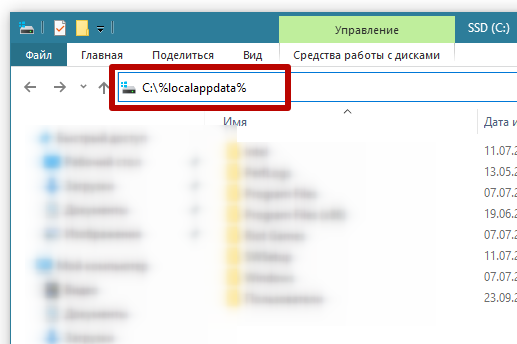
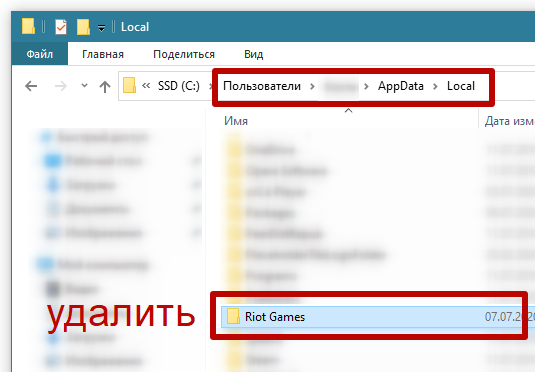
Go to the "C:\Riot Games" folder and delete two folders inside - Valorant and Riot Client. Then, in the address bar of the Explorer, insert the code "%localappdata%" and delete the Riot Games folder.
Download Valorant from the official website. Install on behalf of the administrator on any disk convenient for you and after rebooting, try checking the operation of the interface.
If this did not help return the interface, then write to support Riot.